
Nuestro sitio web utiliza cookies para mejorar y personalizar su experiencia y para mostrar anuncios (si los hay). Nuestro sitio web también puede incluir cookies de terceros como Google Adsense, Google Analytics, Youtube. Al utilizar el sitio web, usted acepta el uso de cookies. Hemos actualizado nuestra Política de Privacidad. Haga clic en el botón para consultar nuestra Política de privacidad.

Investments and business

Thinking About Investing in Panama? Key Insights Into the Real Estate Market

Real Estate in Panama: Investment Opportunities

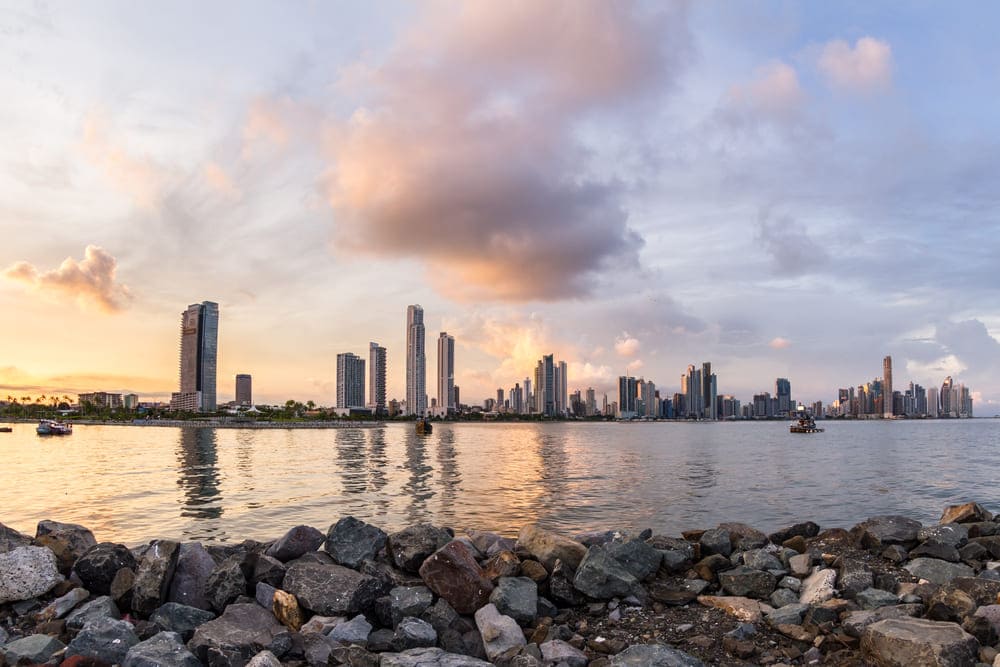
Panama City has seen sustained growth in interest in tourist and corporate rentals, driven by the constant influx of international professionals, urban tourism, and the search for models that generate steady income. This type of rental has become a significant alternative to traditional rentals, especially due to its ability to accommodate short- or medium-term stays and boost real estate profitability.Interest in tourist and corporate rentals in areas where projects such as Armonía are located, just a short walk from the Cinta Costera, has grown in recent years. This development is located in a strategic part of Panama City, near the…
Leer más
Buying Property in Panama

Panama Property Market: Buying & Residency Explained

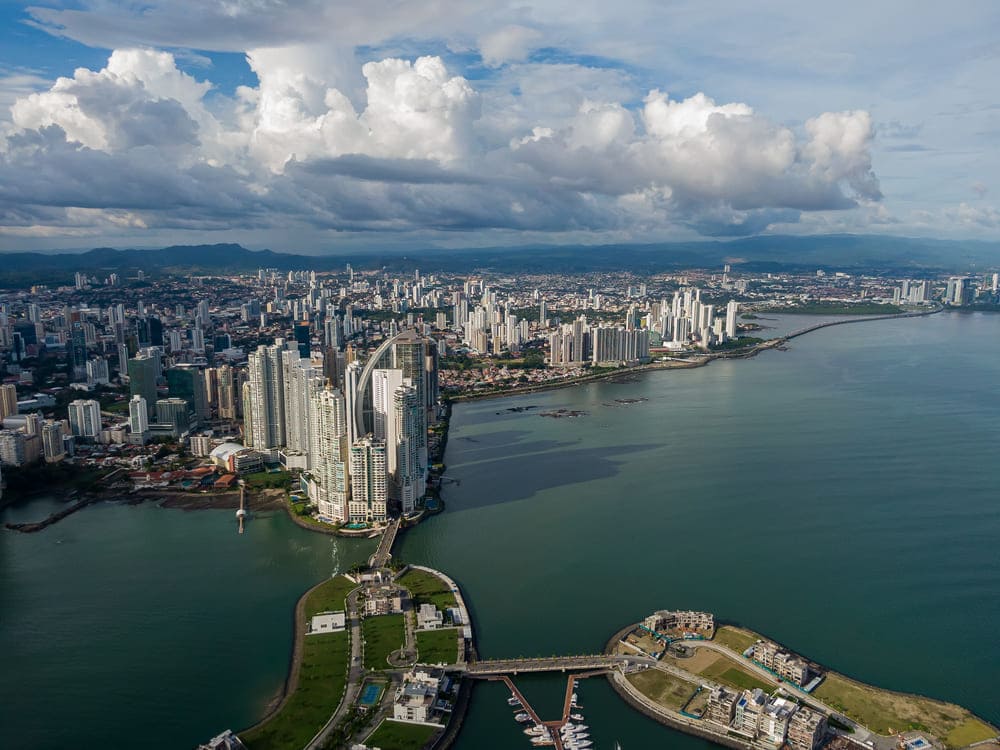
In recent years, Panama has emerged as a leading point of reference across Latin America for buying and investing in real estate, especially among international investors, and this shift has been driven by multiple elements: its stable economy, reliance on the U.S. dollar, and a clear legal framework have all played a vital role in strengthening trust in the market.However, the question still stands: is residency required to purchase property in Panama? Under current laws, foreign buyers are permitted to acquire real estate in Panama without obtaining residency beforehand. As a result, the property market has become more open to…
Leer más
A practical guide to purchasing property in Panama as a foreign buyer

Panama Property Guide: A Foreign Buyer’s Handbook

Panama has quickly emerged as one of the region’s most appealing locations for real estate investment, with its steady economy, reliance on the U.S. dollar, and expanding market driving strong interest from international buyers looking to diversify their holdings or secure a second home in a rapidly developing urban environment.In recent years, this growing trend has been paired with a more welcoming stance toward foreign purchasers, making it simpler to acquire property without living in the country. Consequently, projects like IPANEMA Residences have steadily collaborated with international clients seeking real estate opportunities in key areas of Panama City. If you’re…
Leer más
What business signals suggest a recession-proof revenue profile?

Identifying Recession-Resistant Business Signals

A recession‑proof revenue profile refers to a company’s capacity to maintain or even expand its income when the economy contracts, and although no organization fully escapes macroeconomic pressure, several recurring indicators reveal genuine resilience. These markers emerge from patterns in customer behavior, pricing leverage, operational cost arrangements, balance sheet robustness, and broader industry forces. Recognizing them allows investors, operators, and lenders to differentiate unstable growth from reliably sustained cash flow.Consistent and Essential Market DemandDemand that holds firm through shifting economic conditions is among the strongest indicators of recession resilience, as businesses that address essential needs typically preserve their revenue streams…
Leer más
How does asset tokenization change custody, settlement, and liquidity?

The Future of Finance: Asset Tokenization’s Role in Custody, Settlement, and Liquidity

Asset tokenization involves converting real or financial assets into digital tokens recorded on a distributed ledger, with these tokens reflecting ownership stakes, revenue streams, or usage rights tied to assets like equities, bonds, real estate, commodities, private credit, or funds; by turning conventional assets into programmable digital units, tokenization transforms the way markets hold, move, and exchange them.The most significant changes occur across three core market functions: custody, settlement, and liquidity. Each of these functions has historically relied on intermediaries, manual reconciliation, and limited operating hours. Tokenization introduces a different operating model that is continuous, automated, and more transparent.How Tokenization…
Leer más
What trends are driving cross-border e-commerce and global market entry?

Understanding Cross-Border E-commerce: Trends for Global Entry

Cross-border e-commerce has evolved from a niche expansion play into a central driver of growth for brands across the spectrum. With entry barriers falling, global appetite for distinctive products increasing, and digital infrastructure becoming more robust, merchants are now able to reach international markets much earlier in their development. Industry reports indicate that cross-border online transactions represent over one fifth of global e-commerce and are expanding at a pace that surpasses domestic online sales in many areas.Digital-First Consumers and Global Demand ConvergenceA major driver is the globalization of consumer preferences. Social media, streaming platforms, and influencer culture have accelerated trend…
Leer más
What trends are shaping investor education and the rise of DIY investing tools?

Investor Education & DIY Investing: Key Trends

Investor education is undergoing a rapid transformation as digital platforms, data access, and changing investor demographics reshape how individuals learn about and participate in financial markets. At the same time, do-it-yourself investing tools have matured from basic trading interfaces into comprehensive ecosystems that combine education, analytics, and execution. These developments are not isolated; they reinforce one another, creating a cycle in which better education fuels confident self-directed investing, and better tools encourage deeper learning.Democratization of Financial KnowledgeA major force transforming investor education is the sweeping democratization of financial information. Data that was previously limited to institutional players has become widely…
Leer más
How do investors evaluate tail-risk hedges in practical terms?

Investor Insights into Tail-Risk Hedge Practicalities

Tail risk refers to low-probability, high-impact market events that sit in the extreme ends of return distributions. Examples include sudden equity crashes, volatility spikes, liquidity freezes, or correlated sell-offs across asset classes. Investors use tail-risk hedges to protect portfolios against these events, accepting a steady cost in normal markets in exchange for protection during crises.In practical terms, investors assess tail-risk hedges not by considering whether they generate profits on average, but by determining whether they deliver a significant enhancement to portfolio results during periods of market strain. This assessment weaves together quantitative analysis, qualitative insight, operational limitations, and governance factors.Clarifying…
Leer más
How do investors evaluate platform risk when a company depends on one ecosystem?

Mitigating Platform Risk: Investor Strategies for Ecosystem Dependence

When a company depends heavily on a single ecosystem—such as a dominant app store, cloud provider, marketplace, operating system, or advertising network—investors scrutinize the associated platform risk. Platform risk refers to the exposure created when a third party controls critical distribution, data access, pricing rules, or technical standards that materially affect a company’s performance. Investors evaluate this risk to understand earnings durability, bargaining power, and long-term strategic resilience.Why Platform Dependence Matters to InvestorsA single ecosystem can accelerate growth by providing scale, trust, and infrastructure. However, it can also concentrate risk. If a platform changes its policies, algorithms, or fees, dependent…
Leer más
Grupo Ficohsa: Financial Strength Recognized by the U.S. International Development Finance Corporation

Grupo Ficohsa Consolidates Financial Strength with U.S. Financing

Grupo Ficohsa’s financial solidity and dependability have been underscored by its close alliance with the U.S. International Development Finance Corporation (DFC), an entity that backs initiatives with significant economic and social impact. This collaboration shows the confidence that the United States places in the financial institution, given that the DFC offers financing solely to banks that uphold rigorous standards of transparency, governance, and stability.Endorsements that reinforce confidenceAccessing DFC resources demands not only an in‑depth evaluation of an institution’s financial strength, but also a comprehensive examination of its governance frameworks, regulatory adherence, and risk oversight systems. Fulfilling these standards shows that…
Leer más