

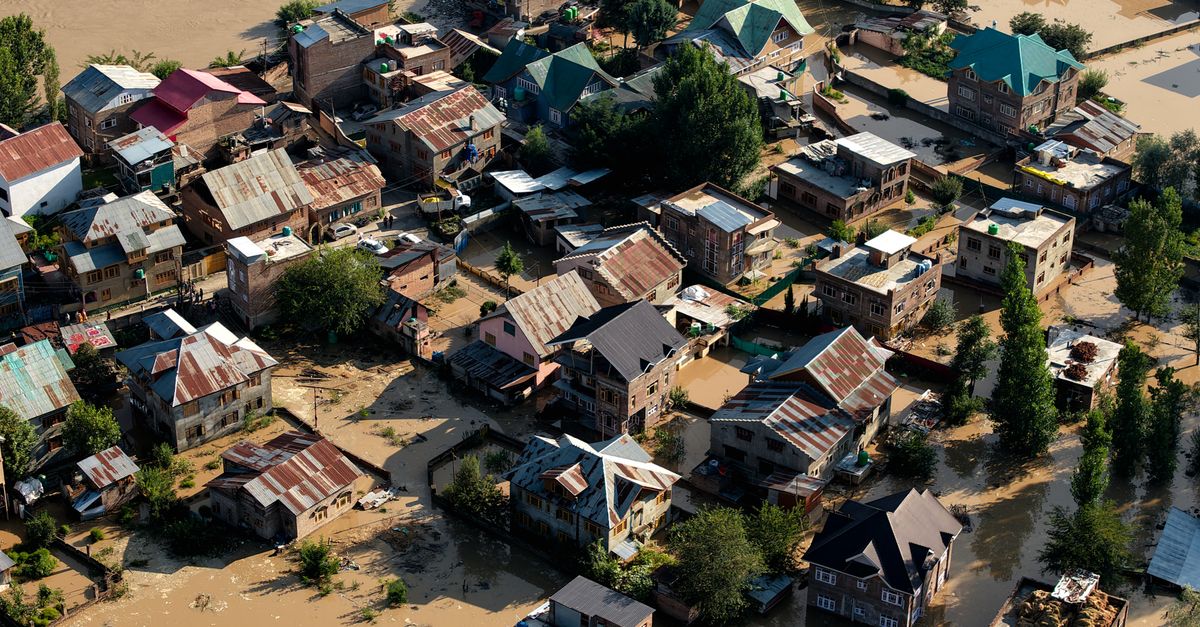
Vulnerable countries, which face limited capacity to withstand climate shocks, significant exposure to sea-level rise, droughts, floods or extreme heat, and tight fiscal constraints, need substantial and sustained funding to adapt and shift toward low‑carbon development. In these environments, climate‑action finance originates from various sources, each intended to tackle distinct risks, timelines and project types. The following offers a practical overview of how this financing is organized, the actors involved, the instruments applied, the obstacles frequently encountered, and illustrative examples of effective strategies.
The importance of financing and the key aspects it should encompass
Climate finance in vulnerable countries must address both adaptation, which safeguards people, economies and key infrastructure, and mitigation, which reduces emissions while supporting sustainable development. Needs include:
- Major infrastructure commitments: coastal protection, durable transport routes, enhanced water networks, and climate-resilient farming.
- Nature-based measures: mangrove rehabilitation, forest renewal, and watershed conservation.
- Early warning and emergency coordination systems: upgraded meteorological tools and readiness frameworks.
- Capacity building and institutional support: strategic planning, project design, and performance tracking.
Demand projections differ, yet most assessments indicate that vulnerable countries will require adaptation funding ranging from tens to hundreds of billions of dollars each year in the decades ahead. The challenge extends beyond the scale of this shortfall to include project risk levels, currency mismatches, and limited pipelines of viable, investment-ready projects.
Primary channels for climate funding
- International public finance — concessional loans, grants and technical assistance from multilateral institutions and bilateral donors. These aim to reduce project costs and build capacity.
- Multilateral development banks (MDBs) — World Bank, regional development banks and development finance institutions that provide loans, guarantees and advisory services at scale.
- Climate funds — dedicated global funds such as the Green Climate Fund (GCF) and the Global Environment Facility (GEF) that prioritize vulnerable countries and often combine grant financing with concessional loans.
- Domestic public finance — national budgets, subnational revenues, sovereign debt instruments and domestic green bonds used to fund resilience and low-carbon projects.
- Private finance — commercial banks, institutional investors, infrastructure funds and corporate investment attracted by returns when risk is mitigated or returns are enhanced.
- Blended finance — structured combinations of concessional public funds and private capital designed to make projects investible.
- Insurance and risk-transfer products — parametric insurance, catastrophe bonds and pooled risk facilities that protect budgets and communities against extreme events.
- Philanthropy and remittances — philanthropic grants and diaspora remittances that support local adaptation and community resilience projects.
- Carbon markets and payments for ecosystem services — results-based finance such as REDD+, voluntary carbon credits and programmatic payments for verified emissions reductions or ecosystem services.
Practical ways instruments are applied
- Grants and concessional loans — allocated to kick-start early project preparation, uphold social safeguards, support nature-based initiatives, and advance adaptation actions that lack direct revenue streams. Concessional lending eases financing costs and extends repayment periods for capital-heavy ventures.
- Green and sovereign bonds — governments and municipalities issue labeled instruments to fund clearly defined green undertakings. These bonds can attract institutional capital and help shape pricing benchmarks for sustainable investment.
- Blended finance structures — mechanisms such as first-loss capital, guarantees, and concessional layers diminish perceived risk and draw private financing into sectors like renewable energy, resilient infrastructure, and agribusiness.
- Insurance and catastrophe finance — parametric products deliver fast payouts once preset triggers (such as rainfall thresholds or wind intensity) are reached, helping stabilize public finances and speed recovery.
- Debt conversions and swaps — arrangements such as debt-for-nature or debt-for-climate swaps redirect sovereign liabilities toward conservation or resilience initiatives.
- Results-based finance — disbursements linked to independently verified achievements, frequently applied to REDD+, electrification objectives, or energy efficiency performance.
Remarkable case studies and illustrations
- Caribbean Catastrophe Risk Insurance Facility (CCRIF) — a regional, multi-country parametric insurance pool that pays member governments quickly after storms or earthquakes trigger predefined parameters. It has reduced fiscal volatility and enabled faster responses to disasters.
- Seychelles debt-for-ocean swap and blue bond — an early example of creative sovereign finance where debt restructuring and blended finance supported marine protection and sustainable fisheries management.
- Bangladesh Climate Change Resilience Fund (BCCRF) — a pooled donor fund that supported large-scale adaptation and institutional projects, demonstrating how coordinated donor financing can support national priorities in a highly climate-vulnerable country.
- REDD+ and forest finance in countries like Peru and Indonesia — performance-based payments for avoided deforestation have mobilized international results-based finance and linked national policies to subnational activities.
- MDB-backed renewable projects — large-scale solar and wind projects in vulnerable regions are often financed through a mix of concessional MDB loans, export credit agency support and private investment, de-risked by guarantees and blended instruments.
Obstacles that prevent capital from moving freely
- High perceived risk: political risk, climate risk and weak legal systems deter private investors.
- Insufficient bankable projects: many adaptation needs are small-scale, dispersed and lack revenue streams.
- Currency and balance-sheet risk: long-term foreign-currency debt to fund local-currency revenues creates mismatches.
- Capacity gaps: limited project preparation capacity and weak procurement systems slow absorption of finance.
- Data and measurement challenges: inadequate climate and financial data hinders project design and impact measurement.
- Fragmentation of funding: numerous donors and funds with differing rules increase transaction costs.
Innovations and solutions that work
- Blended finance platforms: MDBs and development agencies deploy catalytic public capital to draw in private funding for renewable energy and resilience efforts.
- Project preparation facilities: targeted grants support feasibility analyses, environmental reviews, and bankable structuring so projects become more attractive to investors.
- Risk-pooling and regional insurance: pooled insurance options and sovereign catastrophe bonds help cut premium costs while expanding diversification.
- Debt-for-climate and debt-relief mechanisms: transforming financial obligations into resilience and conservation investments eases debt pressures and channels resources toward climate initiatives.
- Standardization and pipelines: standardized agreements, environmental and social frameworks, and curated project pipelines streamline transactions and strengthen investor trust.
- Innovative instruments: resilience bonds, climate-linked lending, and results-oriented contracts create aligned incentives among all stakeholders.
Actionable measures for nations to expand climate financing
- Integrate climate into budgets: climate tagging, green budgeting and medium-term fiscal frameworks help prioritize spending and attract donors.
- Develop bankable pipelines: invest in preparation, public-private partnerships and standardized project frameworks.
- Use concessional finance strategically: target grants and first-loss capital to catalyze larger private flows.
- Strengthen data and MRV: robust monitoring, reporting and verification of climate impacts builds investor trust and unlocks results-based payments.
- Harness regional solutions: regional risk pools, shared infrastructure and cross-border projects can lower costs and spread risk.
- Prioritize equity and inclusion: ensure finance reaches vulnerable communities through local intermediaries, microfinance and community-driven approaches.
How donors and investors might adopt a different approach
- Align financing with country priorities: support country-led plans and programmatic approaches rather than fragmented short-term projects.
- Scale up predictable, long-term finance: multi-year commitments reduce uncertainty and enable bigger investments in resilience.
- Offer risk-absorbing instruments: guarantees, insurance and first-loss capital unlock private flows into higher-risk contexts.
- Invest in institutions and systems: capacity building and legal reforms enhance a country’s ability to absorb and manage finance.
Measuring success and avoiding pitfalls
Success is measured by resilience outcomes, reduced fiscal volatility, increased private investment, and equitable distribution of benefits. Pitfalls include creating debt burdens without commensurate revenue, displacing local priorities with donor-driven projects, and funding investments that increase maladaptation risks. Robust safeguards, local ownership and transparent reporting are essential.
Financing climate action in vulnerable countries calls for a diverse mix of instruments—grants, concessional funding, private investment, insurance and creative swap mechanisms—applied with careful regard for local capabilities, risk conditions and long-term viability. Concessional resources strategically used to reduce investment risks, paired with stronger project preparation and broader regional risk-pooling, can open the door to much larger streams of private capital. Lasting progress depends not only on attracting financial resources but also on crafting arrangements that align incentives, shield the most vulnerable and strengthen institutions capable of managing climate shocks over many years. The most successful strategies are those that turn international goodwill into enduring, nationally driven investments that curb climate vulnerability while enabling sustainable development.