
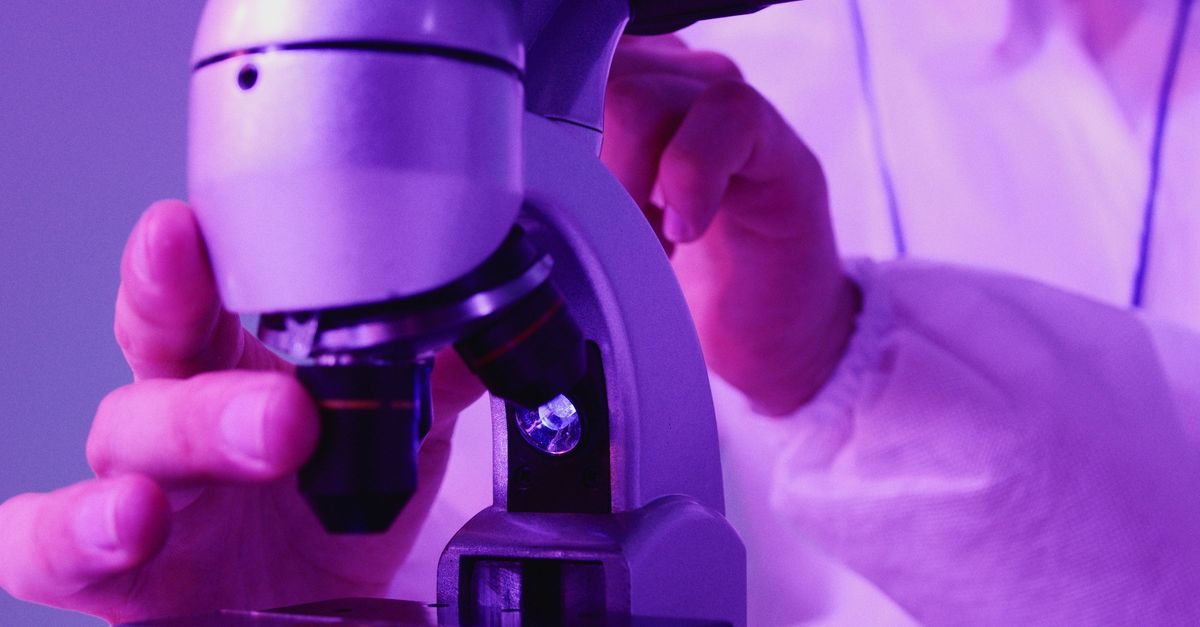
Biomedical research is undergoing a structural transformation driven by the convergence of microengineering, cell biology, and materials science. At the center of this change are microfluidics and organ-on-chip platforms, technologies that allow researchers to recreate human biological functions on devices small enough to fit in the palm of a hand. These systems are reshaping how diseases are studied, how drugs are tested, and how personalized medicine is developed.
Exploring Microfluidics Within Biomedical Applications
Microfluidics involves the meticulous management of extremely small fluid volumes as they move through intricate networks of minute channels, allowing scientists in biomedical research to handle cells, nutrients, and biochemical cues with a precision unattainable through conventional laboratory techniques.
Core functions delivered by microfluidic systems include:
- Regulated liquid movement designed to resemble natural blood flow
- Precise placement of diverse cell populations within defined areas
- Live monitoring of how cells react in real time
- Lower consumption of reagents, reducing overall experiment expenses
By operating at dimensions that mirror human tissues, microfluidics renders experimental settings more aligned with real biological conditions, a benefit that becomes especially significant when examining intricate phenomena like inflammation, cancer cell movement, or immune system reactions.
What Are Organ-on-Chip Platforms?
Organ-on-chip platforms build on microfluidic principles by incorporating living human cells into structured environments that replicate the physical and biochemical behavior of real organs. These chips often include flexible membranes, mechanical forces, and continuous nutrient flow to simulate breathing lungs, beating hearts, or filtering kidneys.
Common organ-on-chip models include:
- Lung chips that reproduce breathing motion and air exposure
- Liver chips designed to study drug metabolism and toxicity
- Gut chips that model digestion and interactions with microbes
- Brain chips that simulate barrier functions and neural signaling
Unlike conventional cell cultures grown on flat surfaces, organ-on-chip systems allow cells to behave as they do in the human body, producing more reliable and predictive results.
Improving Drug Discovery and Safety Testing
One of the most profound effects of these technologies appears in the field of drug development, where conventional testing approaches frequently fall short in forecasting human reactions and trigger costly late-stage failures. By delivering human-relevant insights much earlier in the research process, organ-on-chip platforms help overcome this challenge and reduce the likelihood of expensive setbacks.
Documented benefits include:
- Earlier detection of toxic side effects
- More accurate prediction of drug effectiveness
- Reduced dependence on animal testing
- Faster iteration during preclinical research
For example, liver-on-chip systems have successfully identified drug-induced liver injury that was missed by conventional laboratory tests. Similarly, heart-on-chip models have been used to detect rhythm disturbances caused by certain drug compounds before human trials.
Progressing Disease Modeling and Precision Medicine
Microfluidic and organ-on-chip technologies enable detailed modeling of diseases by recreating specific pathological conditions. Researchers can introduce genetic mutations, inflammatory signals, or tumor cells to observe disease progression in a controlled environment.
Noteworthy uses encompass:
- Cancer chips designed to mimic tumor development and evolving drug resistance
- Vessel chips employed to investigate blood clot formation and various vascular disorders
- Lung chips that simulate viral infections alongside corresponding immune reactions
These platforms also support precision medicine approaches. By using cells derived from individual patients, researchers can test how a specific person may respond to different therapies, opening the door to more tailored and effective treatments.
Moral and Financial Consequences
Beyond scientific advantages, these technologies carry ethical and economic significance. Reducing reliance on animal models addresses longstanding ethical concerns while also lowering research costs and timelines. Microfluidic systems require fewer materials, less space, and shorter experimental cycles compared to traditional laboratory setups.
Funding agencies and regulatory bodies are increasingly recognizing these benefits, and some regulatory evaluations now accept organ-on-chip data as supportive evidence in safety assessments.
Key Challenges and Continued Advancement
Despite their promise, microfluidics and organ-on-chip platforms face challenges that researchers continue to address:
- Harmonizing procedures among laboratories
- Combining multiple organ systems within a unified platform
- Sustaining the durability of living tissues over extended periods
- Expanding production capacity to support broad adoption
Work is progressing on developing linked multi-organ chips designed to mimic full-body reactions, a step that further boosts the predictive capabilities of these systems.
A Move Toward More Human-Centered Scientific Approaches
Microfluidics and organ-on-chip platforms represent a shift in how biomedical research understands and models the human body. By replacing simplified and often misleading experimental methods with systems that reflect real human biology, these technologies are narrowing the gap between laboratory research and clinical reality. As they continue to mature, they are not merely improving existing research practices but redefining the foundation on which future medical discoveries will be built.