

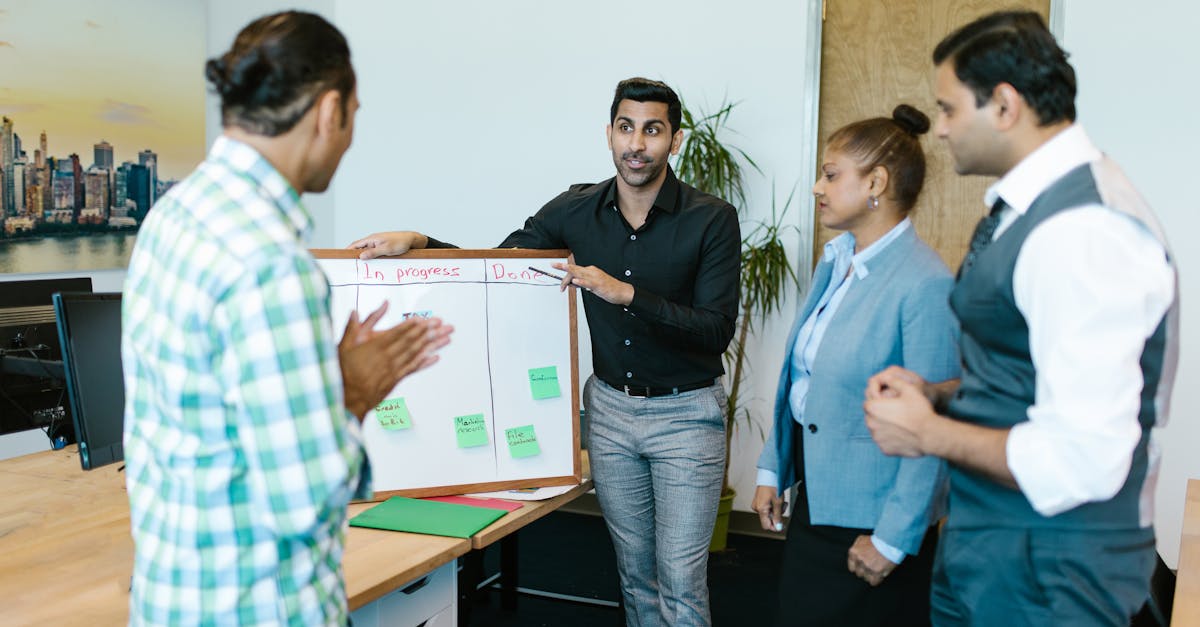
Organizational culture refers to the collective values, behaviors, norms, and underlying assumptions that shape how work is carried out. When rapid scaling or restructuring occurs, that culture comes under significant strain. Headcount may surge, reporting structures can shift, and processes are frequently overhauled. Without deliberate stewardship, the culture often drifts into fragmentation, inconsistency, or becomes disconnected from the overall strategy.
Companies that succeed during such periods treat culture as a fundamental operating system rather than a loosely defined concept, recognizing that it accelerates execution, strengthens employee commitment, shapes customer interactions, and supports long-term performance.
Why Culture Often Becomes Fragile Amid Organizational Growth and Structural Shifts
Swift expansion or organizational overhaul can introduce structural and psychological pressures that weaken cultural unity.
- Inflow of new employees: Scaling firms may double or triple their workforce within a short period. New hires bring different expectations and habits, which can dilute existing norms.
- Leadership span increases: Managers supervise more people or unfamiliar functions, reducing informal cultural reinforcement.
- Process formalization: Startups often shift from informal coordination to standardized systems, which can feel like a loss of autonomy.
- Uncertainty and fear: During restructuring, role changes and layoffs can undermine trust and psychological safety.
Research conducted by global consulting firms repeatedly shows that cultural resistance, far more than inadequate strategy or insufficient funding, is most often responsible for transformation efforts falling short.
Outlining the Core Pillars that Shape Culture
Top-performing firms recognize which elements should stay constant and which ones can evolve.
They outline a concise group of essential cultural principles that consistently shape conduct, regardless of the organization’s scale or design, and these principles focus on practical guidance rather than high-level aspirations.
Examples include:
- How selections are made and forwarded for assessment
- Which behaviors are encouraged or discouraged
- How conflicts are addressed
- How client needs are prioritized
A global technology company that scaled from ten thousand to over one hundred thousand employees maintained cultural continuity by repeatedly reinforcing three behaviors: customer obsession, data-driven decisions, and ownership. These principles were embedded in hiring criteria, performance reviews, and leadership promotions.
Leadership Cohesion and Exemplary Role Modeling
Culture during rapid change is shaped less by statements and more by observed behavior. Employees watch leaders closely, especially during uncertainty.
Successful companies achieve unified leadership by:
- Helping leaders translate fundamental values into practical daily decisions
- Making sure executives stay accountable for the culture’s outcomes
- Reducing discrepancies between stated principles and the incentives that actually drive behavior
Amid an extensive reorganization within a global manufacturing company, leaders held mandatory weekly open forums to address employee concerns, and this clear display of transparency markedly reduced voluntary departures compared with previous restructuring phases.
How Hiring, Promotion, and Exit Decisions Shape Organizational Culture
Talent systems stand as some of the most powerful mechanisms for shaping culture on a broad scale.
Hiring: Structured interviews that highlight behavioral indicators help verify cultural alignment while still safeguarding diversity in background and perspective.
Promotion: Companies that advance high achievers who ignore cultural expectations signal that performance supersedes values, whereas larger organizations that avoid this mistake usually tie leadership development to both outcomes and behavior.
Exits: Dismissing leaders whose values conflict with the organization, done with both resolve and courtesy, helps protect the company overall. Human capital studies show that teams recover faster when a high performer who no longer aligns departs than when damaging conduct is allowed to continue.
Shaping Culture Without Creating Unnecessary Bureaucracy
As companies grow, relying on casual ways to convey their culture becomes inadequate, prompting effective organizations to refine their cultural values into concise, actionable guidelines.
Examples include:
- Clear, openly communicated structures for reaching decisions
- Behavioral guidelines that reflect the company’s core principles
- Materials that describe how teams collaborate across different functions
A fast-growing software firm used short internal playbooks with real scenarios rather than abstract rules. This approach preserved speed while creating shared understanding across global offices.
Communication Flow and Narrative Management
When a company undergoes restructuring or rapid expansion, a lack of communication breeds uncertainty, so successful organizations maintain steady, transparent messaging to keep everyone aligned and reassured.
Fundamental practices involve:
- Frequent briefings that clarify both the nature of each change and the reasoning behind it
- Recognition of existing uncertainties instead of offering misleading comfort
- Interactive communication paths that invite questions and constructive input
Employee engagement surveys consistently show that organizations tend to preserve higher levels of trust by maintaining reliable communication practices during transitional periods, even when the information they provide is difficult.
Assessing and Tracking the Wellbeing of Cultural Dynamics
Culture can be indirectly assessed by reviewing key leading indicators.
Common metrics include:
- Workforce engagement levels and confidence metrics
- Rate of voluntary departures from critical positions
- Movement and advancement rates within the organization
- Trends in ethics or compliance-related incidents
Advanced firms supplement surveys with qualitative data such as listening sessions and network analysis to identify cultural fragmentation early.
Uniting Distinct Organizational Cultures Following Mergers or Major Structural Changes
Restructuring often brings together teams or departments with their own distinct identities, and smooth integration ensures that no single culture ends up overshadowing the others.
Instead, companies:
- Identify shared strengths from each legacy group
- Define future-oriented behaviors tied to strategy
- Create mixed leadership teams to model collaboration
Organizations that proactively guide cultural integration after a merger tend to achieve synergies more quickly and keep a greater share of their top talent than those that limit their efforts to system alignment and cost-cutting.
Managing culture amid rapid expansion or organizational shifts requires deliberate focus. Successful firms recognize that culture will inevitably evolve, making it essential to decide whether that shift happens by design or by chance. By defining core behaviors, ensuring leadership alignment, applying talent systems with purpose, and maintaining transparent communication, organizations can grow without compromising their identity. When culture is treated as a strategic asset instead of an incidental outcome, it becomes a grounding force that supports growth rather than obstructing it.