

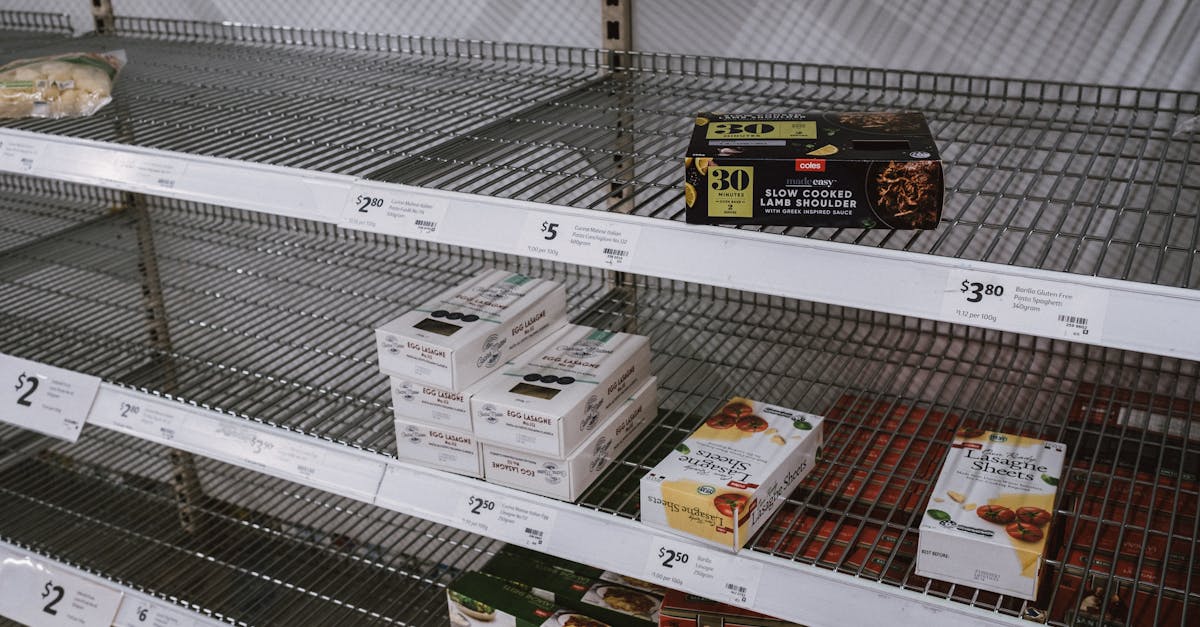
Robust harvests typically suggest lower food prices, yet the connection between production volumes and what consumers pay is anything but straightforward. Retail prices emerge from the combined influence of physical supply, logistics, regulations, financial conditions, and overall market dynamics. Even an impressive yield measured in tonnes does not necessarily translate into plentiful, low‑cost food for households. The following points outline the key mechanisms that can push food prices upward despite seemingly strong aggregate harvests.
Primary factors
Mismatch between global supply and exportable supply: A country can record a big harvest but still export little because domestic demand, government procurement, or quality issues absorb the crop. For example, if large producers keep supplies for national consumption or impose export curbs, international markets tighten and global prices rise even if global production totals are healthy.
Export restrictions and trade policy: Governments may impose limits on outbound shipments to shield local consumers or curb internal inflation, and such bans or export duties can shrink supplies on international markets and trigger sharp price increases. Well‑known examples include controls on wheat or rice exports that tightened global trade flows and drove prices higher.
Distribution, storage, and perishability: Harvest size carries less weight when limited storage facilities, constrained road and rail systems, refrigerated logistics, and restricted port capacity create bottlenecks. Perishable goods may spoil before reaching buyers, reducing the effective supply. In numerous developing areas, inadequate infrastructure can turn excess output into both a local oversupply and a nationwide shortfall, keeping urban retail prices elevated.
Input and energy cost inflation: Farming inputs such as fertilizer, diesel, electricity, and seeds are major cost components. When input prices rise sharply, farmers face higher production costs and may reduce planting or ask for higher prices to remain viable. Fertilizer and fuel price surges in 2021–2022, partly linked to natural gas and international trade disruptions, fed through to food prices even where harvest tonnage remained strong.
Logistics and shipping disruptions: Global freight and shipping problems — container shortages, port congestion, labor constraints — raise the cost and time of moving food, particularly processed and imported items. Container freight rates multiplied several-fold during the 2020–2021 recovery from the pandemic, increasing the landed cost of food and agricultural inputs and translating into higher consumer prices.
Quality differentials and grading: Large harvests can vary in quality. Lower quality grain may be unsuitable for certain uses (e.g., milling vs. animal feed). Quality downgrades reduce the supply of high-grade commodity for export and processing, keeping premium-class prices elevated while lower-grade products flood other channels.
Stock levels and inventory management: Price movements are shaped by the amount of available stock. When global or national reserves have been depleted ahead of a major harvest, markets tend to stay constrained. In the same way, today’s lean inventories and “just-in-time” logistics heighten vulnerability to disruptions, meaning that even a strong harvest might not quickly restore buffers or bring prices down.
Financial markets and speculation: Futures markets, index funds, and speculative flows can amplify price moves. Expectation-driven buying in commodity markets can push spot prices up because commercial buyers hedge, distributors adjust margins, and retailers react to future-cost signals. This mechanism was visible in multiple past food-price spikes.
Currency and macroeconomic factors: When the local currency weakens, the domestic cost of imported food and production inputs climbs. Even during robust local harvests, farmers and processors frequently depend on imported fertilizers, machinery components, or packaging materials, and currency depreciation pushes these expenses higher, ultimately increasing prices for consumers.
Demand shifts and structural consumption changes: Growing incomes, expanding populations, and evolving diets that favor more meat and dairy products are driving higher demand for feed grains and oilseeds. Even with robust cereal harvests, the intensified need for animal feed and biofuels can absorb surplus output and sustain elevated price levels.
Biofuel policies and competing uses: Mandates for ethanol or biodiesel convert food crops into fuel. When policy diverts a significant share of maize, sugar, or vegetable oil to fuel production, the market for food faces reduced effective supply, supporting higher prices despite overall high yields.
Market concentration and bargaining power: In many value chains, a limited group of traders and processors commands much of the commodity flow. Such heavy concentration can shape how prices are passed along and how margins form, often keeping farmgate or retail prices elevated even when production is plentiful.
Regional weather variability: Global totals can be strong while key producing regions suffer localized shortfalls. Since major exporters serve international markets, a bad season in an export hub can have outsized price impacts even if the global crop is large.
Policy uncertainty, taxes, and subsidies: Sudden changes in taxes, subsidies, or procurement policies create market uncertainty. Farmers may withhold supplies awaiting better prices; processors and retailers respond by raising prices to cover risk premiums.
Key examples and data insights
2010–2011 wheat and rice spikes: A severe drought struck Russia in 2010, prompting a wheat export ban that helped drive rapid worldwide price surges for both wheat and alternative staple crops. Additional export limits imposed by several nations intensified the disruption, showing how policy actions can outweigh actual supply conditions.2012 U.S. drought and corn prices: Heavy drought in the U.S. Midwest reduced corn yields and raised global corn prices. The event shows how regional crop failure in a major exporter influences world markets even when other regions have decent harvests.
2020–2022 pandemic and geopolitical shocks: During the COVID-19 pandemic and the 2022 disruptions from the Russia–Ukraine conflict, global food prices rose to historic levels on the FAO Food Price Index. Causes included higher freight and energy costs, fertilizer shortages and price spikes, supply-chain bottlenecks, and export curbs, demonstrating multiple non-harvest channels of price pressure.
Fertilizer price shock: In 2021–2022 the cost of nitrogen and potash fertilizers rose sharply due to energy price increases and trade disruptions. Higher fertilizer costs lead to higher per-hectare production costs and can reduce future plantings, tightening future supplies and supporting higher food prices.
Shipping cost example: Global container freight rates increased several-fold between 2020 and 2021, raising costs for food imports and agricultural inputs. Higher transport costs passed through to final consumer prices, particularly for processed and packaged foods dependent on global supply chains.
Export restrictions on rice and wheat in 2022: Several major exporting nations briefly curbed their rice or wheat shipments to shield local markets amid soaring prices, a move that further constrained global availability and drove up costs for countries reliant on imports.
How these factors interrelate
The upward push on prices typically stems from a blend of influences rather than any single trigger. For instance, even a strong harvest might occur alongside:
- elevated fertilizer and fuel expenses that lift farmers’ break-even levels;
- export restrictions that limit cross-border availability;
- transportation bottlenecks that inflate distribution costs; and
- speculative activity that quickens upward price momentum.
These combinations heighten market sensitivity, so modest policy shifts or localized weather changes can generate disproportionate price reactions when stocks are tight or demand is strengthening.
Key considerations and practical policy tools
- Stocks-to-use ratios and inventory reports: These metrics reveal how much buffer the market holds and how exposed it is to unexpected disruptions.
- Trade policy announcements: Early notices of potential export restrictions or duties can spark swift shifts in prices.
- Energy and fertilizer markets: Fluctuations in natural gas and fertilizer prices frequently foreshadow adjustments in overall agricultural production expenses.
- Logistics metrics: Conditions such as port bottlenecks, freight costs, and available trucking capacity shape how efficiently supplies reach their destinations.
- Currency trends: When exchange rates weaken, domestic food prices may climb even during periods of plentiful harvests.
Governments and market actors rely on various mechanisms to curb sudden price surges, including the use of strategic reserves, clear export regulations, focused consumer safety nets, strengthened storage and logistics support, short-term import easing, and interventions aimed at stabilizing input markets. Each measure carries its own compromises and should be deployed with close attention to market signals to prevent unexpected outcomes.
A strong harvest is an important building block for food security, but it is only one element in a complex system. When logistics, policy, input costs, finance, or market structure constrain the movement, quality, or alternative uses of that harvest, prices can rise. Understanding the distinction between physical volume and effective, accessible supply helps explain recurring paradoxes in food markets and points to interventions that can lower price volatility while preserving incentives for producers.