

Fashion, a perpetually shifting industry, continually unveils fresh avenues for creative expression and adapts to every seasonal transition, with one key element of this evolution being the creation of seasonal lines, especially the fall-winter collection. Yet what exactly does this concept involve, and why does it hold such significance within the fashion world?
The Idea Behind the Fall-Winter Collection
A fall-winter collection describes a thoughtfully assembled lineup of clothing and accessories created for the colder season, generally covering the period from September through February. These lines are usually unveiled at fashion weeks held in early spring, allowing both retailers and shoppers ample time to gear up for the approaching seasonal shift. Their central purpose is to merge practicality with contemporary style, delivering pieces that provide warmth while reflecting current fashion directions.
Key Elements of Fall-Winter Collections
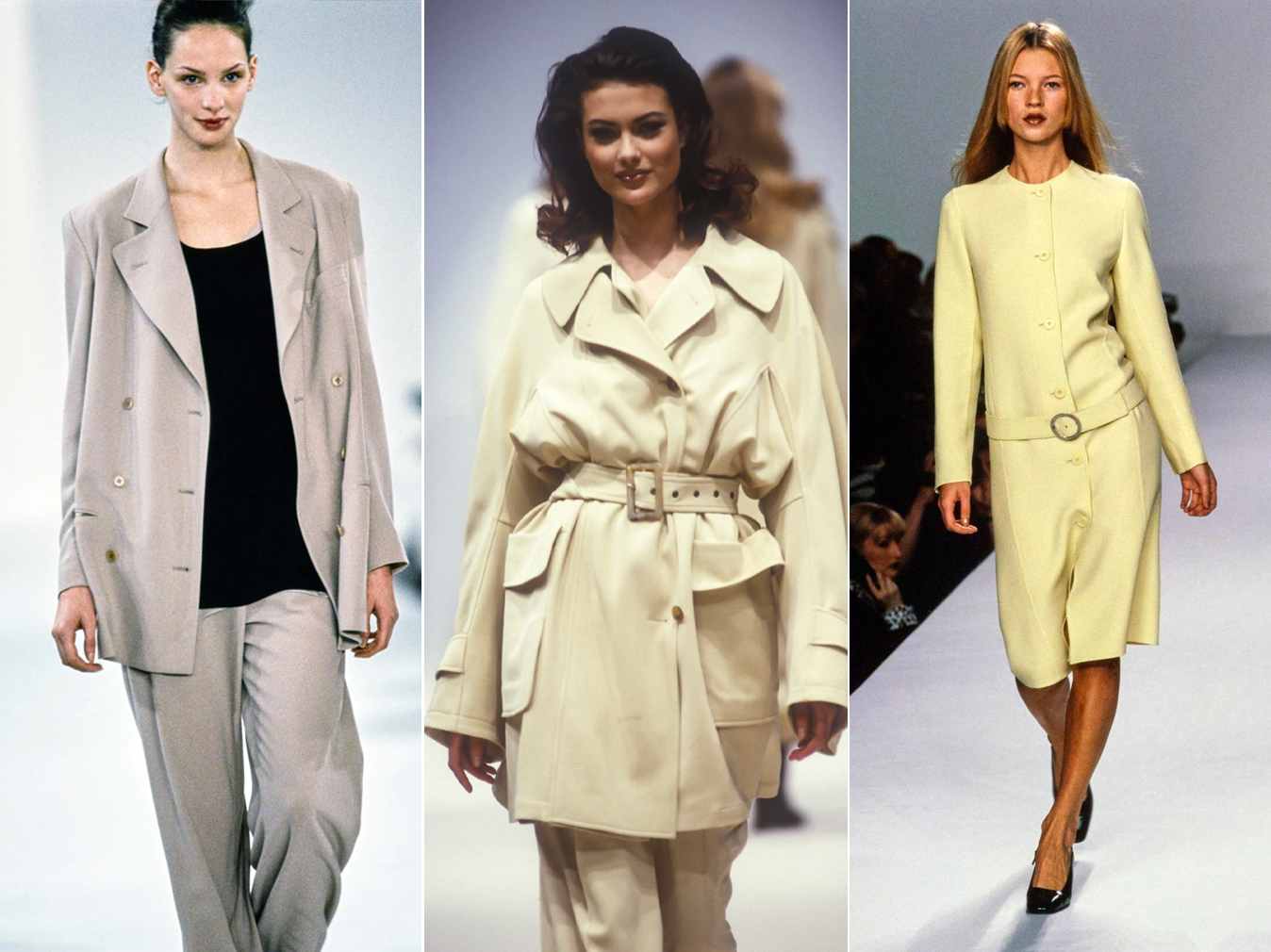
One defining feature of a fall-winter collection is its emphasis on materials. Designers frequently choose denser, warmer textiles like wool, cashmere, and velvet. These fabrics offer warmth and comfort, which become vital as temperatures drop. Layering also plays a pivotal role, enabling people to adapt their outfits to shifts between indoor and outdoor environments. This adaptability is typically achieved with items such as jackets, sweaters, and scarves.
Color palettes shift dramatically in fall-winter collections. While spring-summer collections feature bright and vibrant hues, fall-winter palettes lean towards earth tones and muted shades. Colors such as deep burgundy, forest green, and rich navy dominate, reflecting the natural transformations during these seasons.
Accessories also play a significant role. Items like leather boots, hats, and gloves are not only fashionable but practical for frostier conditions. Additionally, the incorporation of textures such as knit patterns or metallic threads can add aesthetic interest and warmth to an outfit.
The Influence of Fashion Weeks
Fashion weeks in major hubs such as New York, Paris, Milan, and London stand as the starting point for fall-winter collections, acting as crucial showcases where designers present fresh concepts and shape the season’s direction. While initially reserved for exclusive audiences, these creations gradually make their way into more accessible high street fashion, ultimately guiding what appears in retail stores.
Designers use these platforms to experiment with silhouettes and concepts, pushing the boundaries of conventional winter attire. Innovations such as tech-enhanced fabrics that provide additional warmth without added bulk are becoming increasingly prevalent. As sustainability becomes a core concern, eco-friendly materials and ethical production techniques are increasingly visible in collections.
Consumer Behavior and Market Dynamics
The transition into fall-winter collections also indicates shifts in consumer behavior. With colder weather necessitating warmer attire, there is typically an increase in spending, with consumers seeking both necessities and luxury indulgences. The rise of e-commerce has further expanded access, allowing buyers to explore global collections from the comfort of their homes.
Moreover, brands are increasingly appealing to the environmentally conscious consumer through sustainable and ethical lines. Transparency in sourcing and production methods is not only a growing trend but a demand, with consumers more connected and informed than ever.
Industry Challenges and Evolving Dynamics
Creating a fall-winter collection involves navigating various challenges. Changing climate patterns have prompted designers to rethink traditional materials and designs. In some regions, milder winters mean there is less demand for heavy outerwear, influencing how collections are curated. The balance between innovation and practicality becomes crucial, with designers needing to predict and align with environmental shifts accurately.
Additionally, the influence of globalization has broadened consumer preferences, prompting collections to incorporate a wider array of styles suited to diverse markets. Although some designs may appeal strongly in cooler, temperate areas, designers must also account for warmer regions where fall-winter lines may require adjustments for milder seasonal conditions.
Reflecting on the essence of fall-winter collections, we see an intersection of artistry and practicality, shaped by seasonal rhythms but also by evolving consumer expectations and technological advancements. This dynamic ensures that each year, as days grow shorter and leaves turn brown, fashion continues to surprise, adapt, and inspire.