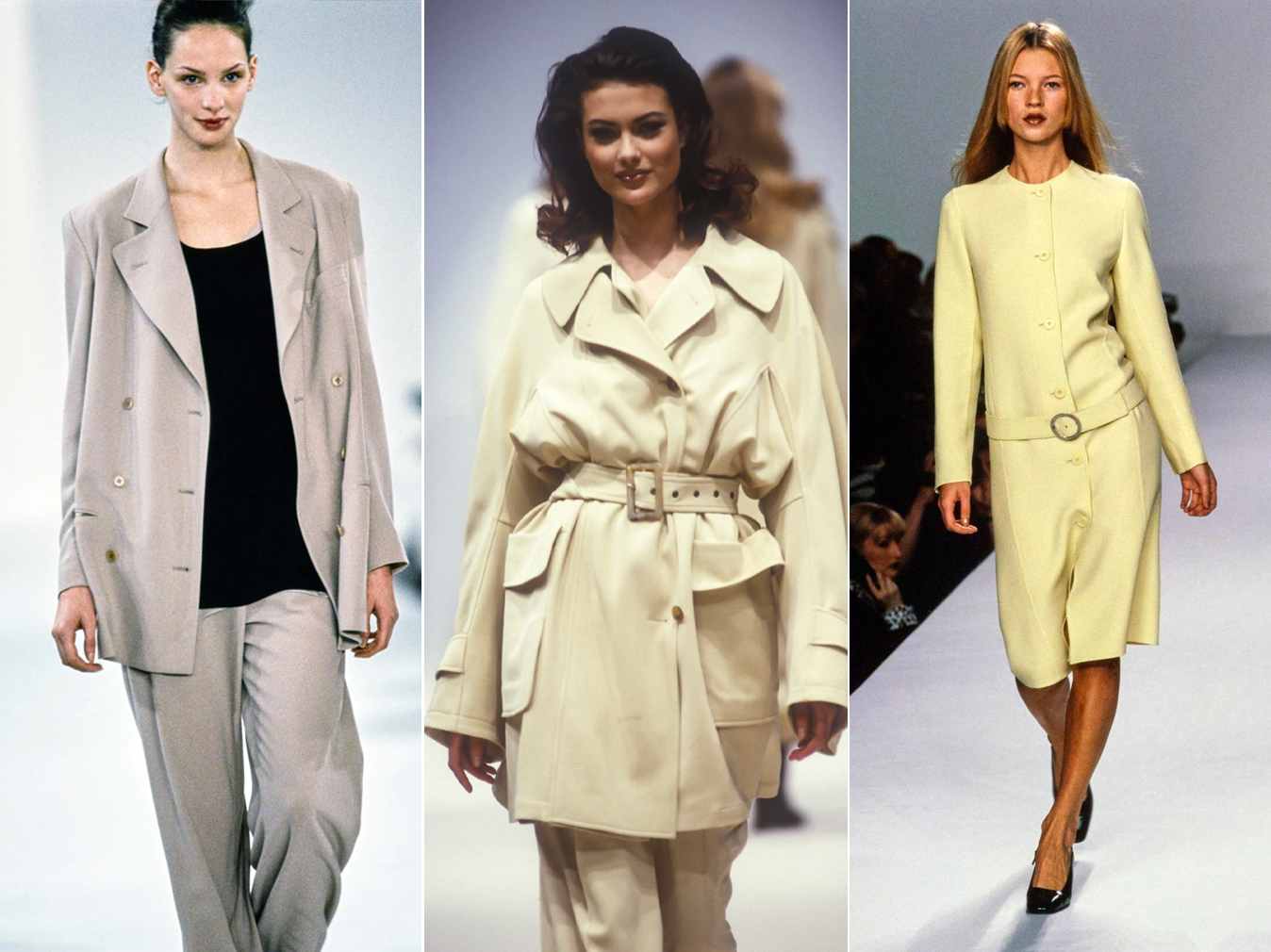

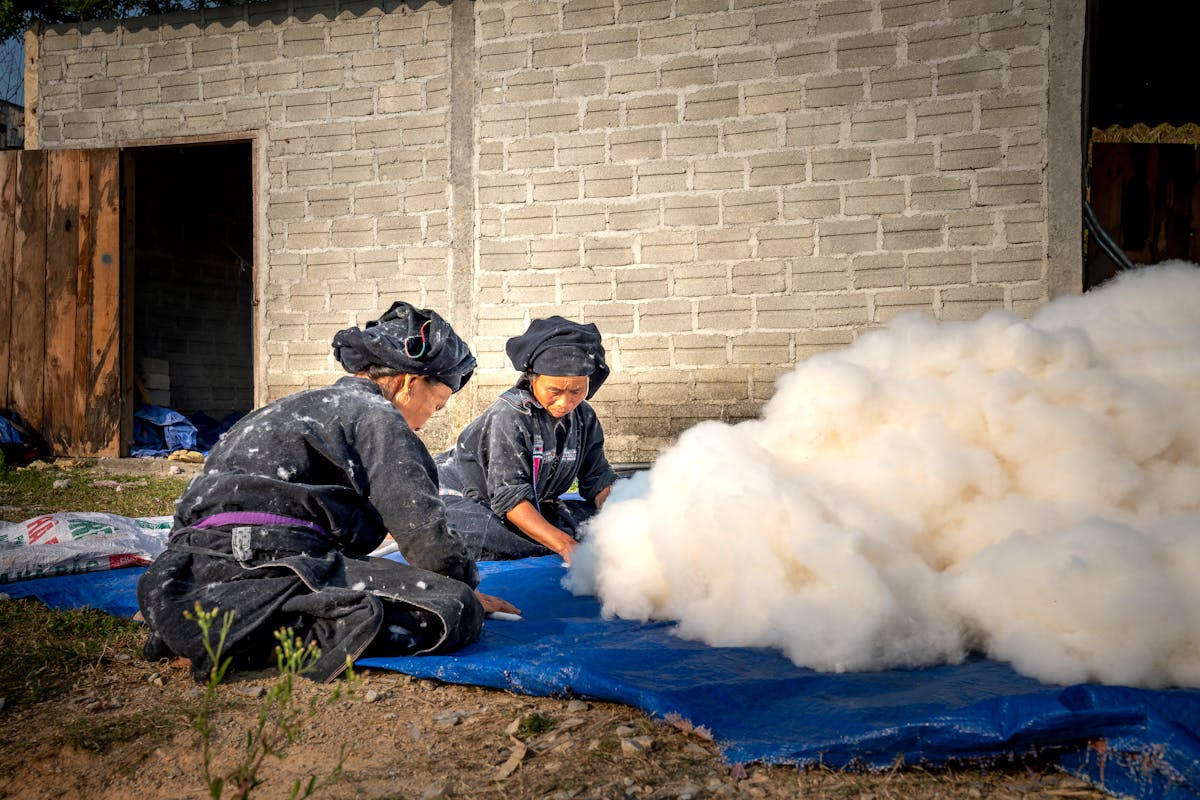
Ethical fashion represents a dynamic shift within the apparel sector, seeking to confront the social and environmental consequences of clothing manufacture. As awareness of sustainability and collective responsibility continues to rise, ethical fashion has become a key focus for both consumers and companies. Yet what does ethical fashion truly encompass? Let’s delve into the multiple facets that shape this forward‑thinking perspective.
Overview and Fundamental Principles
Ethical fashion represents a wide range of approaches aimed at producing apparel in ways that respect both people and the environment, emphasizing fair working conditions, eco-conscious materials, and clear production methods. At its heart, ethical fashion promotes responsible labor standards, minimizes ecological harm, and supports openness throughout the supply chain, positioning itself against abusive labor practices and environmental damage while calling for a system that honors workers’ rights and maintains ecological harmony.
Essential Elements of Ethical Fashion
1. Equitable Employment Standards
A core element of ethical fashion involves upholding fair labor standards, which means maintaining safe workplaces, ensuring equitable pay, and honoring the rights of employees. Brands like Patagonia and Eileen Fisher have established leading examples in the sector by embracing transparency and safeguarding their supply chains from forced labor and child exploitation.
2. Eco-Friendly Materials
Ethical fashion prioritizes the use of sustainable materials. These include organic cotton, Tencel, bamboo, and recycled fabrics, which have a reduced environmental footprint compared to conventional materials. The growing popularity of hemp and recycled polyester is testament to the industry’s shift towards more eco-friendly textile options.
3. Clarity Across the Supply Chain
Transparency stands as a fundamental pillar of ethical fashion, demanding that brands reveal how they manufacture their products and where their materials come from. When supply chains are made transparent, consumers can choose more wisely and ensure that brands remain responsible for their production practices. Companies such as Everlane have earned consumer confidence by publicly detailing cost structures and disclosing sourcing sites.
The Influence and Advantages of Embracing Ethical Fashion
The adoption of ethical fashion practices offers numerous benefits, both socially and environmentally. On the social front, it empowers workers, providing them with better working conditions and higher incomes. Environmentally, it reduces waste and pollution, contributing to the fight against climate change.
Numerous studies emphasize the beneficial influence of ethical fashion, and a 2021 survey from the Global Fashion Agenda reported that brands integrating sustainable practices gained stronger consumer loyalty along with more efficient operations, demonstrating the commercial strength of ethical fashion and showing that sustainability can successfully align with profitability.
Obstacles and Critiques
Despite its admirable intentions, ethical fashion continues to encounter multiple obstacles. The elevated expenses associated with sustainable materials and fair labor practices can limit its availability for consumers with lower incomes. Moreover, the sector often contends with greenwashing, in which brands misleadingly present themselves as ethical for promotional gain, confusing shoppers and weakening authentic initiatives.
The Future of Ethical Fashion
As consumer awareness grows, the demand for ethical fashion is expected to increase. Technological advancements such as blockchain could enhance transparency, allowing consumers to verify the ethical credentials of products from farm to factory. Educational initiatives and collaborations between brands and non-profits are likely to grow, fostering a more inclusive and informed fashion ecosystem.
The essence of ethical fashion lies in its commitment to doing better—better for the planet, better for workers, and better for consumers. By challenging the traditional model of fast fashion and promoting a system rooted in responsibility and transparency, ethical fashion represents a vital step towards a more sustainable and equitable future.