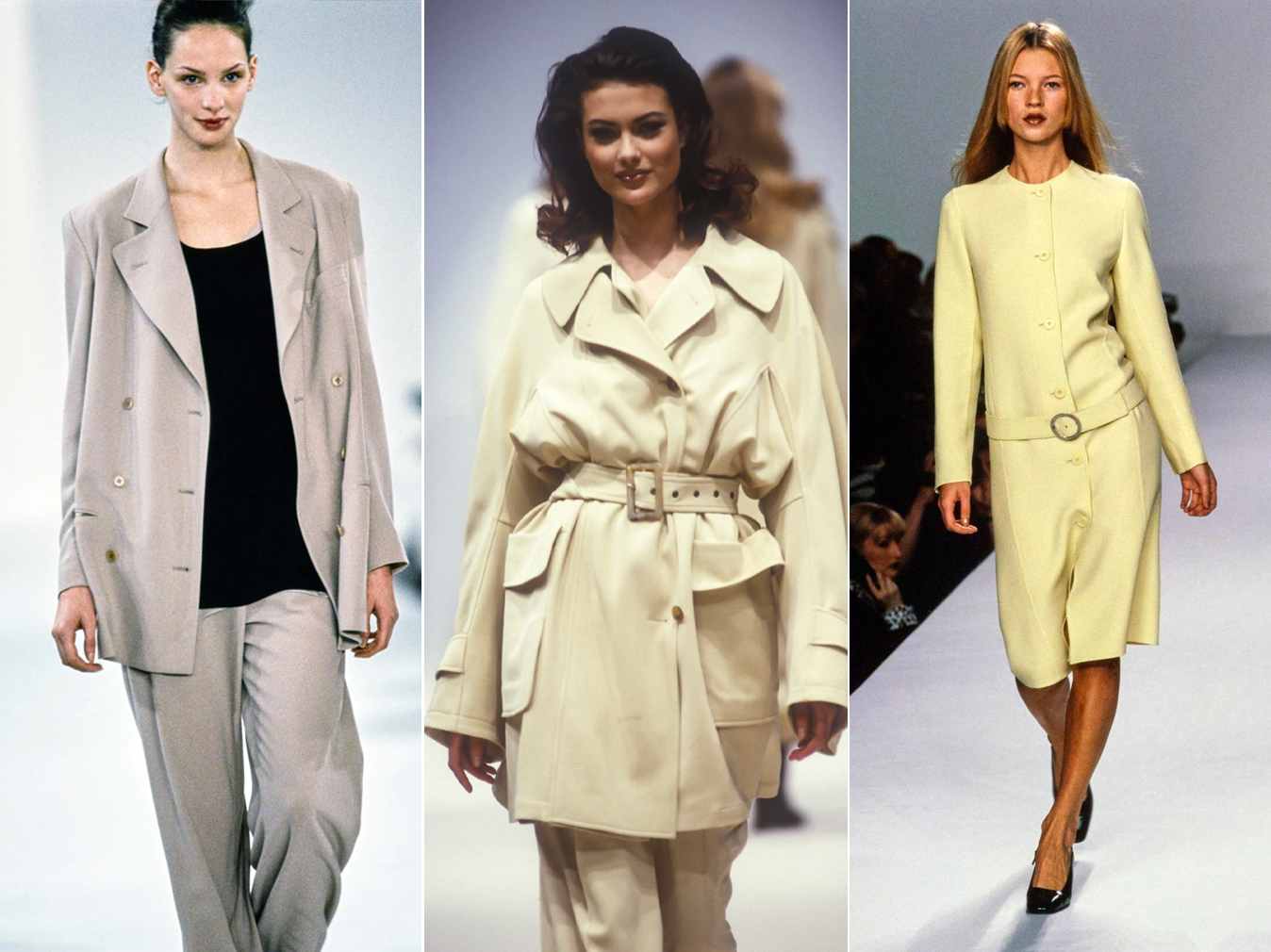


The integration of Artificial Intelligence (AI) into the fashion industry is revolutionizing how fashion is created, marketed, and sold. From predictive analytics to virtual fitting rooms, AI is playing an increasingly pivotal role in reshaping the landscape of this vibrant industry. Fashion brands that embrace AI innovations stand to gain a competitive edge, offering unique and personalized experiences to their customers.
AI and Design Innovation
AI’s impact on fashion begins at the design stage. Traditionally, fashion design heavily relied on human creativity and intuition. However, with AI, designers can now turn to algorithms for inspiration and enhanced creativity. AI systems analyze vast datasets, including historical fashion trends, social media feeds, and consumer preferences, to generate insights that inform the creative process. This data-driven approach enables designers to forecast upcoming trends and opt for styles with a higher success probability.
Companies like IBM have introduced AI tools that work alongside designers, offering suggestions for patterns, colors, and styles informed by consumer sentiment gathered from platforms such as Instagram and Pinterest, so designers draw not only on their own creativity but also on data-driven insights that help them craft collections that connect more effectively with their intended audience.
Elevated Customer Experience Driven by Personalization
Personalization is becoming increasingly crucial in fashion retail, and AI is at the forefront of delivering bespoke customer experiences. From AI-driven chatbots capable of understanding and responding to customer inquiries, to personalized recommendation engines, AI enhances consumer interaction significantly.
Taking the example of the Swedish fashion retailer H&M, the brand uses AI to interpret data drawn from customers’ purchase histories and browsing patterns. Based on this analysis, the system proposes items tailored to individual tastes, boosting both sales and overall satisfaction. In the same way, AI-driven styling apps let users upload photos and receive customized outfit recommendations, enhancing the shopping experience even further.
Virtual Fit Technology
One of the long-standing challenges in fashion retail has been ensuring the right fit for customers, particularly in online shopping, where size discrepancies are frequent. AI-driven virtual fitting rooms are emerging as a solution to this issue. These tools use advanced image recognition and machine learning algorithms to predict how garments will fit on different body types. Customers can visualize how clothing items appear on their own bodies before making a purchase, thus reducing return rates and enhancing customer satisfaction.
For example, True Fit, an AI platform, develops a complete solution by generating a digital twin of each shopper, and size and fit recommendations are delivered by assessing body metrics and purchase history, which helps diminish uncertainty and strengthens consumer trust in online retail.
Eco-Friendly Approaches to Fashion
As the fashion industry faces increasing pressure to adopt sustainable practices, AI is playing a critical role. By utilizing AI, fashion companies can optimize supply chain operations, minimizing waste and overproduction. AI systems predict demand with remarkable accuracy, reducing excess inventory and the environmental impact associated with unsold stock.
Additionally, AI technologies are driving advances in fabric development. Start-ups like Bolt Threads are applying AI to craft bioengineered textiles that resemble silk and leather, delivering sustainable options to replace conventional materials. This progress not only supports environmentally minded principles but also paves fresh paths for creative expression across the industry.
The Role of AI in Marketing and Trend Forecasting
In marketing, AI systems examine consumer habits and preferences to shape highly targeted campaigns, and these insights help produce content that connects directly with the interests and motivations of distinct demographic groups, enabling brands to anticipate new trends and adapt swiftly to remain relevant in a fast‑moving market.
In addition, trend forecasting companies such as WGSN harness AI to scan social media, search insights, and runway events, revealing emerging patterns and projecting upcoming major trends, and this intelligence is invaluable for brands striving to stay ahead and refine their strategies accordingly.
Reflecting on the many ways AI permeates the fashion industry, it becomes clear that artificial intelligence functions not just as a supporting resource but as a catalyst for transformation. By fueling creativity, tailoring customer experiences, enabling sustainable practices, and refining marketing approaches, AI propels progress and innovation across fashion. As AI continues to evolve, its impact will grow even more influential, shaping a flexible, forward‑thinking fashion ecosystem that better aligns with consumer expectations and environmental priorities.