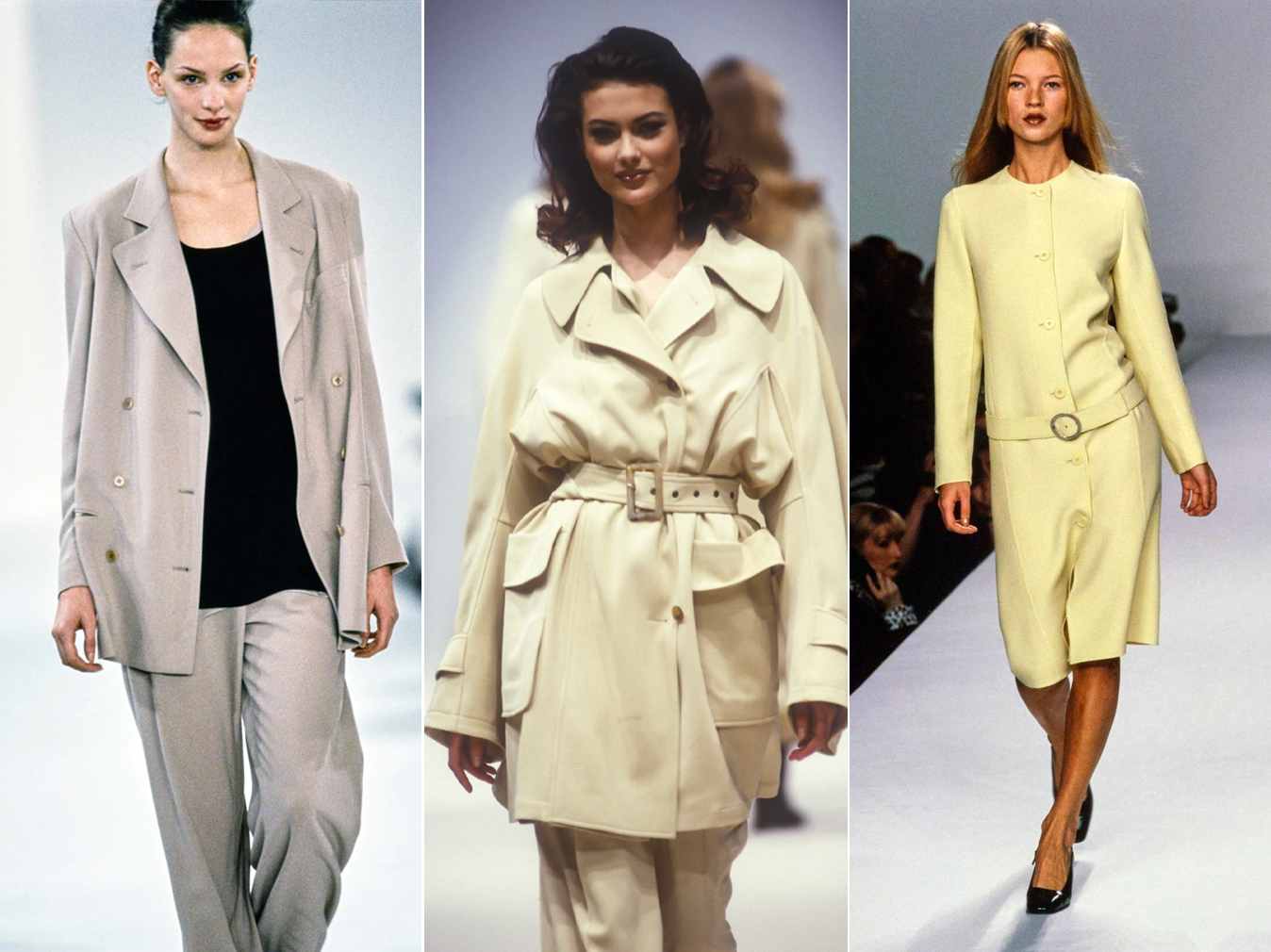

Haute couture refers to a realm that conjures visions of finely crafted pieces, exceptional artistry, and fashion design at its highest level, yet what truly defines haute couture and sets it apart within the fashion world?
The Origins and Meaning of Haute Couture
The term haute couture originates from the French language, where «haute» means high or elegant and «couture» translates to sewing or fashion. Combined, they denote «high fashion.» In the modern context, haute couture refers to the creation of exclusive custom-fitted clothing. This is not merely a general fashion term but a highly regulated label that is protected by law in France. To be considered haute couture, a fashion house must adhere to specific standards set by the Chambre Syndicale de la Haute Couture in Paris.
The Criteria for Haute Couture Status
To gain the prestigious title of a haute couture house, a fashion brand must meet stringent criteria. These include:
1. Bespoke Design: Apparel should be individually tailored for each client, and a minimum of one fitting is required.
2. Workshop Requirements: The fashion house is required to operate an atelier (workshop) in Paris staffed by at least 15 full-time employees.
3. Semi-Annual Collections: Certified brands must present a collection to the public, showing at least 35 distinct looks for both day and evening wear in January and July each year.
These standards ensure that haute couture remains exclusive and retains its tradition of luxurious design and meticulous craftsmanship.
The Artistry Behind Haute Couture
Haute couture garments are widely regarded as wearable art pieces, crafted through hundreds or even thousands of hours of meticulous work by master artisans such as pattern makers, seamstresses, embroiderers, and beaders, and the materials used—whether silks, velvets, or elaborate laces—are often obtained from the world’s most exceptional fabric suppliers, while techniques that might seem straightforward, like embroidery or applique, demand a degree of mastery achievable only by highly trained specialists.
For example, the creation of a single haute couture dress can involve over seventy hours just for embroidery. The renowned House of Dior’s Spring/Summer 2020 collection showcased a dress with over 800,000 sequins, each hand-stitched meticulously, embodying the essence of haute couture.
Haute Couture as Cultural and Economic Influence
While haute couture’s direct market is small, its influence on fashion is immense. These designs often serve as an inspiration for ready-to-wear lines and influence trends across the broader fashion industry. Financially, haute couture is a costly endeavor. While some couture houses operate at a loss with their couture lines, their real profit often comes from lucrative offshoots such as perfumes and accessories, cementing the prestige and desirability that haute couture generates.
The Future of Haute Couture
Despite ongoing debates about its relevance in today’s fast-fashion world, haute couture continues to evolve. Modern designers are embracing technology, integrating elements like 3D printing and sustainable materials, while still maintaining the traditional values of craftsmanship and creativity. This fusion of tradition and modernity may hold the key to haute couture’s survival and continued importance in the ever-changing landscape of fashion.
Ultimately, haute couture stands as the pinnacle of fashion mastery and innovation, embodying a seamless blend of artistic expression and clothing design. It remains a field where imagination flourishes without limits, paying tribute to its heritage while boldly reshaping what lies ahead.